Vital Culture
I'm Kaitlin.
I build what you're too deep in the weeds to build yourself.
Scroll slowly
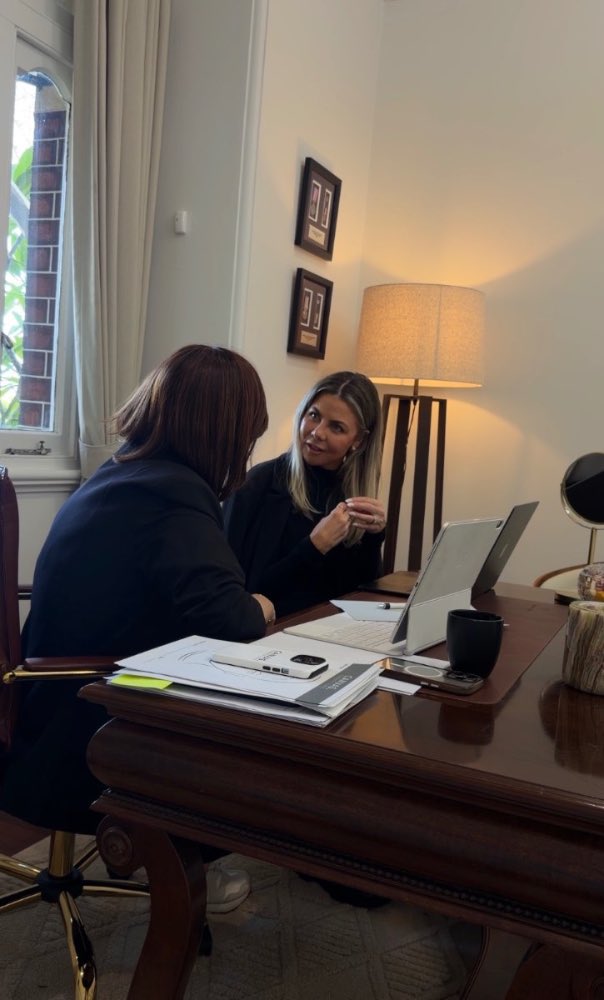
So I get in and build it, before you have finished explaining it.
The extra head at the table, so you can do what you're great at while I build the engine.
You are the system. So is the admin who knows how it runs, and the senior who trains every hire. Lose one of them · and a piece of the business walks out the door.
Most founders can’t name what needs to change. They feel it instead · the phone that never goes quiet, the question that waits for them, the week away that costs a month. I can name it. I ask the questions no one has asked you yet, find what still keeps the business tied to you, and build the systems and scaffolding to support you and your team · growth strategy, planning and execution, tied directly to your brand.
Twenty years on the floor built me a unique skill stack that's agile, fast, and precise. Nobody can hand that to a new hire, and nobody can take it from me.
Someone who wants more for your business than you do, with a skill stack rare enough that I'm the needle in the haystack you wouldn't have known to search for. The strategic head, pulled up to your table.
You leave the day with the thinking. From there I build the plan, and everything the business runs on: your numbers, the model you can change, your week, who owns what. Built in your voice, beside you.
Roles, Standards, Rhythm, Decisions. The day maps all four across the business · the build puts the pieces in and embeds them.
I get in, build it, and show you every step · then it's yours, whether I stay on or step back.
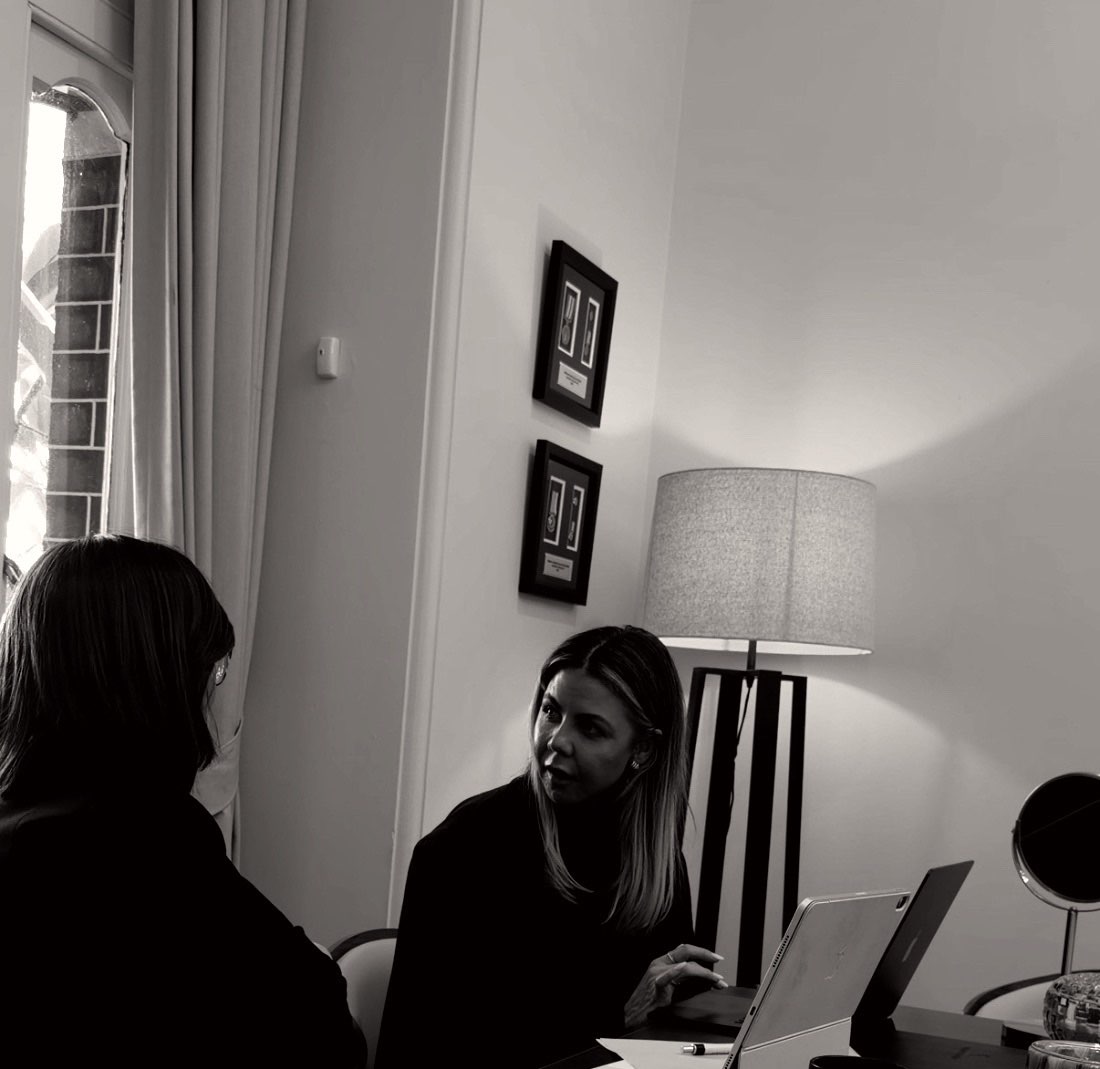
“She knew what I needed, even before I could put it into words.” · Sharna, owner
The vision was always Sharna's. I helped her put words to it · so the team could run to her standard.
Sat alongside the owner as a strategic second brain · helped her articulate the standard she already carried, and named the systems that would bring it to life.
Turned her vision into a visual playbook and SOPs · so new team members onboard to her standard without her carrying every step.
Recruited within a week, onboarded within two · and established clear ownership across the clinic.
Built the membership model and the sponsorships that fund it · commercial engines, not just operating ones.
Brought my own people · marketing, print, production · so the build never waited on a vendor she had to go and find.
Canvas Cosmetic Clinic · her standard into a visual playbook and SOPs, recruitment, the membership model, and the sponsorships that fund it.
Boutique fitness studios · SOPs and internal playbooks · class-fill targets to lift revenue.
A national timber brand · team structure and the decision rules that hold it.
A landscaping company · sales and operating rhythm, enquiry to delivery.
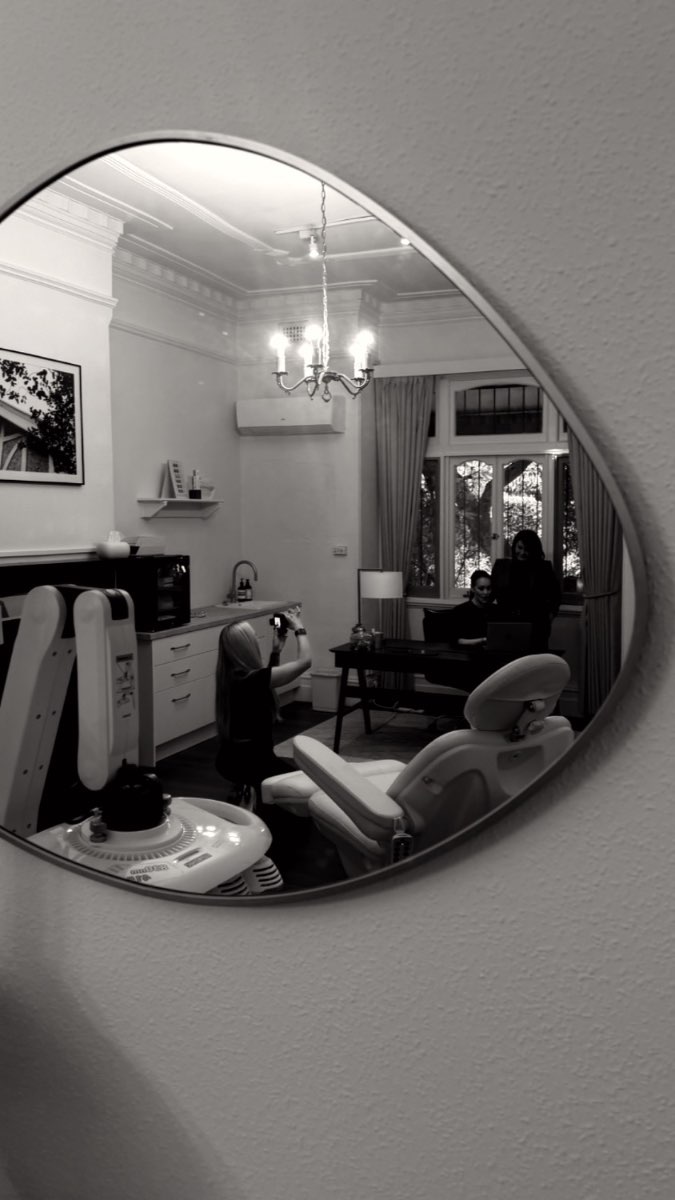
Tech, photography, print, marketing, production · trusted specialists I pull in where the build needs them. One point of contact · you brief me, not five vendors.
While every decision runs through you, the business can only grow as far as you can carry it. The build takes that ceiling away · so the vision gets to go as far as it was always meant to.
If you have read this far, you already know which parts still run through you. One day pulls them out of your head, and the plan comes back with the order to run them in.
Not ready to book a day? Neither were most of my clients when we first spoke. Start with a conversation and see where it lands.